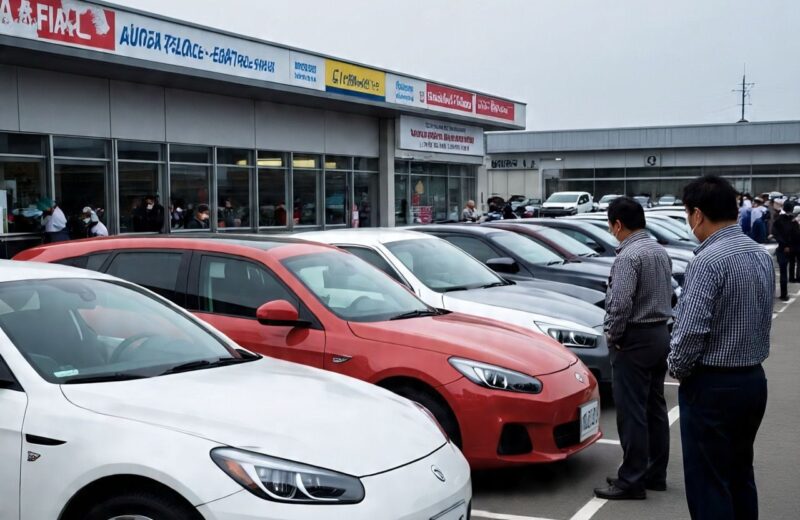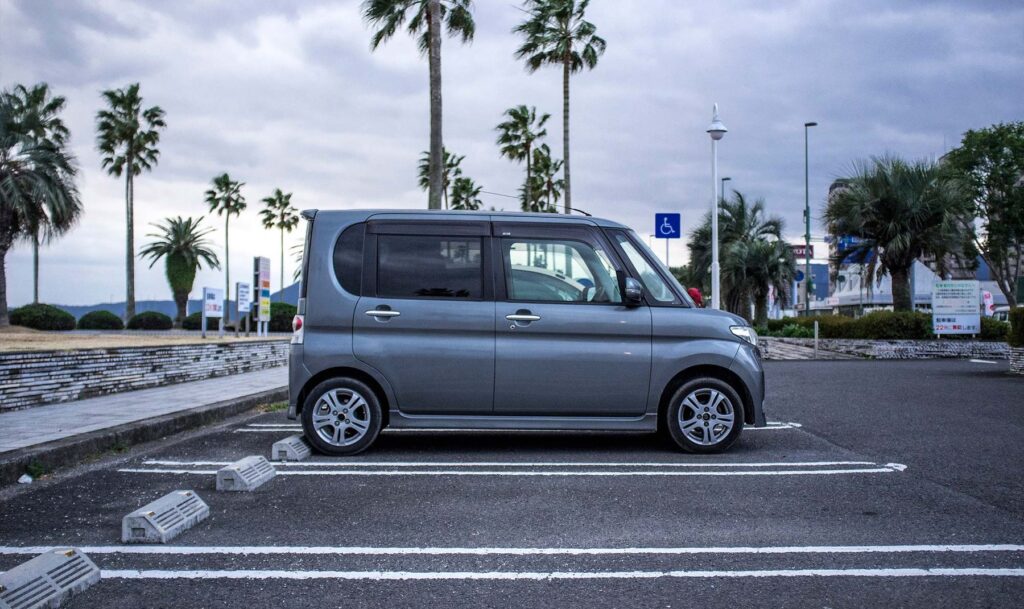
Walk down any street in Japan and you will see small, boxy cars with yellow or white number plates. These are kei cars — Japan’s lightweight, small-engine vehicle class. Once seen only at home, kei cars from Japan are now attracting buyers around the world.
What is a kei car?
“Kei” (軽) means “light”. A kei car is limited in size and engine capacity (up to 660cc), which keeps taxes, insurance and fuel costs low in Japan. Despite their compact outside, clever packaging gives them surprisingly roomy interiors.
Why buyers love them
- Excellent fuel economy: small engines and light weight mean low running costs.
- Easy to park and manoeuvre: ideal for crowded city streets.
- Clever interiors: tall roofs, sliding doors and flexible seating.
- Affordable prices: low purchase prices and cheap parts.
- Kei trucks and vans: light commercial models are loved by farmers and small businesses.
Popular kei and compact models
- Suzuki Wagon R and Spacia: frugal family favourites.
- Daihatsu Tanto and Move: spacious, tall-roof city cars.
- Honda N-Box: one of Japan’s best-selling cars for its space and quality.
- Daihatsu Hijet / Suzuki Carry: compact work trucks.
- Daihatsu Atrai and Suzuki Every: small cargo vans.
What to check before importing
Import rules for kei cars differ widely. Some countries restrict imports by vehicle age, others by engine size or emission standard, and some have special rules for light trucks. Always confirm with your local customs authority and tell us your destination before you buy.
Shipping a kei car
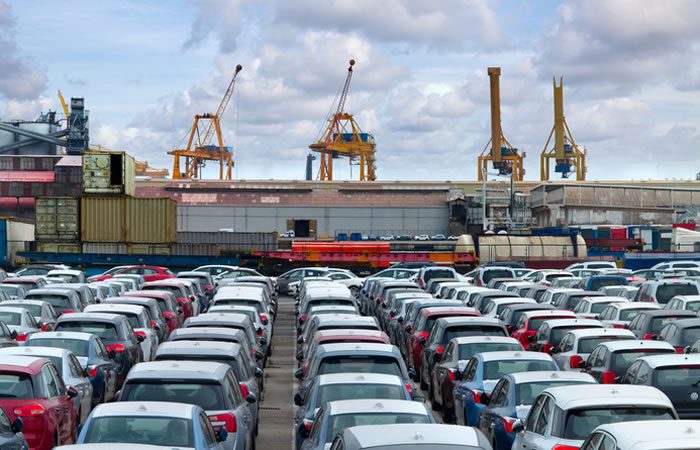
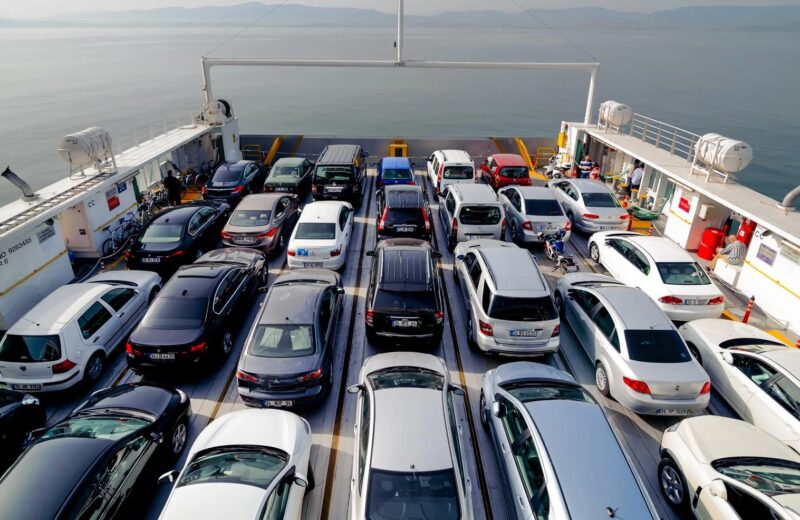
Kei cars are small, so several can often be shipped in one container, which can reduce shipping cost per unit — see our guide to RoRo vs container shipping. We also handle documentation, transport and shipping from auction to port.
Are kei cars safe?
Modern kei cars are required to meet Japanese safety standards, and many recent models include airbags, ABS, stability control and collision-avoidance systems. Safety varies by year, so check the equipment list on the auction sheet.
Who should buy a kei car?
- City drivers who want low running costs and easy parking.
- Small businesses that need a light truck or van.
- Dealers serving buyers who prioritise fuel economy.
Frequently asked questions
Can kei cars be used on highways?
They can, but their small engines are best suited to city and rural roads. Consider your typical journeys.
Are kei cars right-hand drive?
Yes, domestic Japanese kei cars are right-hand drive. Confirm whether your country allows right-hand-drive imports.
How much does it cost to ship a kei car?
Small vehicles can be shipped more cheaply than larger ones, especially when several fit into a single container. Ask for a quotation to your port.
Curious about the history? Read more about this vehicle class on Wikipedia’s kei car page, or ask us for available kei cars and a price to your port.