Once you have bought a car in Japan, the next big decision is how to ship it. The two options are RoRo shipping and container shipping. Each has strengths, and the right choice depends on your vehicle, budget and destination. Here is how they compare.
What is RoRo shipping?
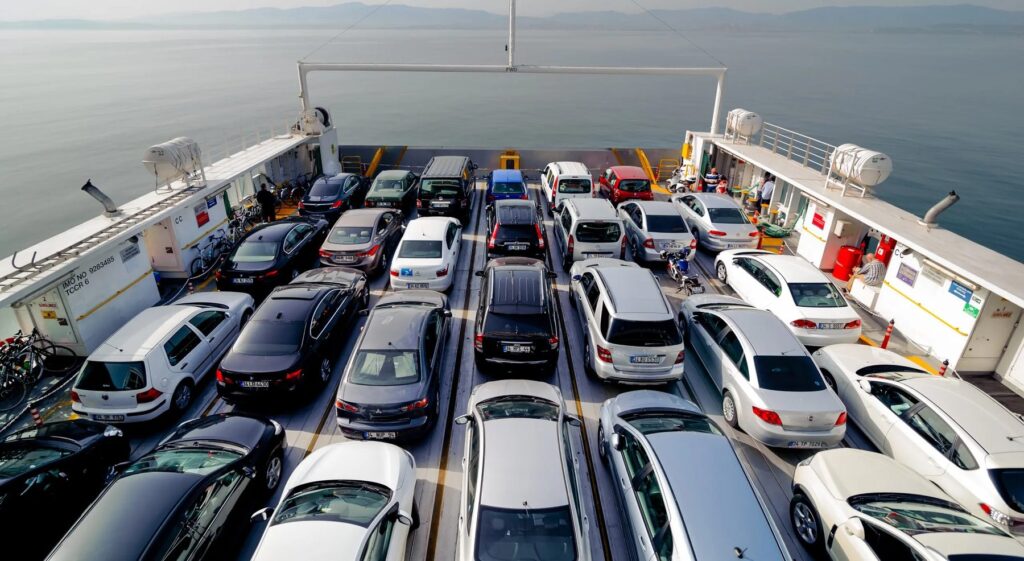
RoRo stands for roll-on/roll-off. The car is driven up a ramp onto a specialised vehicle-carrier ship and secured on a deck, much like a floating multi-storey car park. It is the most common method for used cars leaving Japan.
Advantages of RoRo
- Lower cost for standard vehicles
- Simple handling — no container loading required
- Frequent sailings from major Japanese ports to many destinations
Limitations of RoRo
- The car must be in running condition
- Personal belongings generally cannot be left inside the vehicle
- Vehicles are exposed to the ship’s environment, although they are secured and protected
What is container shipping?
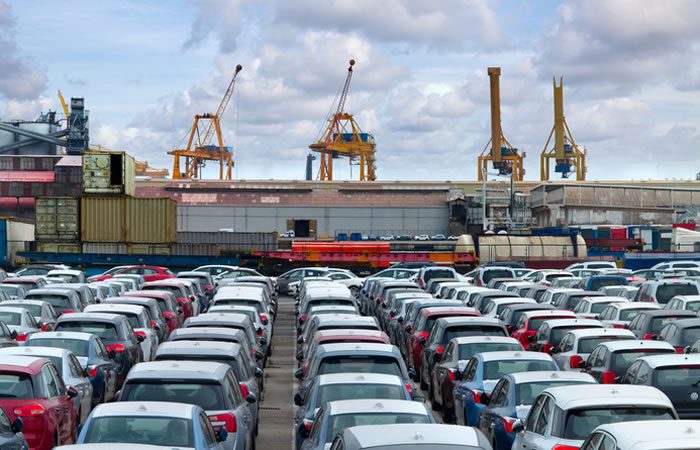
With container shipping, one or more vehicles are loaded into a steel container, which is sealed in Japan and opened at your destination port. This method is popular for higher-value cars, non-running vehicles and bulk shipments.
Advantages of container shipping
- Extra protection against weather and handling
- Consolidation — ship two or more cars, or vehicles with spare parts, in one container
- Access to ports that do not receive RoRo vessels
Limitations of container shipping
- Usually higher cost per vehicle unless the container is full
- Requires loading and securing time before sailing
Which method should you choose?
| RoRo | Container | |
|---|---|---|
| Cost per car | Lower | Higher (lower when shared) |
| Protection | Good | Best |
| Best for | Standard used cars | High-value, bulk, spare parts |
| Port availability | Major ports | Almost any port |
If you are importing a single standard vehicle, RoRo is usually the best value. If you are shipping a luxury car, several vehicles or a vehicle plus parts, container shipping may be worth the extra cost.
Tracking and documents
Whichever method you choose, we share the vessel name and tracking number, and courier your original documents — see all of them on our export process page. Prices are quoted as FOB, CNF or CIF. For general background on vehicle transport by sea, see Wikipedia’s roll-on/roll-off article.
RoRo vs container shipping: the quick answer
When comparing RoRo vs container shipping, choose RoRo for the lowest price on a single, running vehicle and container shipping for extra protection, multiple cars or cargo that cannot be driven on board.
How long does shipping take?
Transit times depend on the destination port, the vessel schedule and whether the ship calls at other ports on the way. We provide the vessel name, schedule and tracking number as soon as your car is loaded.
Is my car insured during shipping?
If you choose a CIF price, marine insurance is included. With FOB or CNF you may arrange your own cover. We recommend insuring every shipment.
Frequently asked questions
Can I ship personal items inside the car?
For RoRo shipping, personal belongings generally cannot be left in the vehicle. For container shipping, rules differ — ask us before loading.
Can a non-running car be shipped?
Non-running vehicles normally need container shipping or special handling because RoRo vessels require vehicles to be driven on board.
Not sure what is best for your destination? Ask our shipping team for a recommendation.